





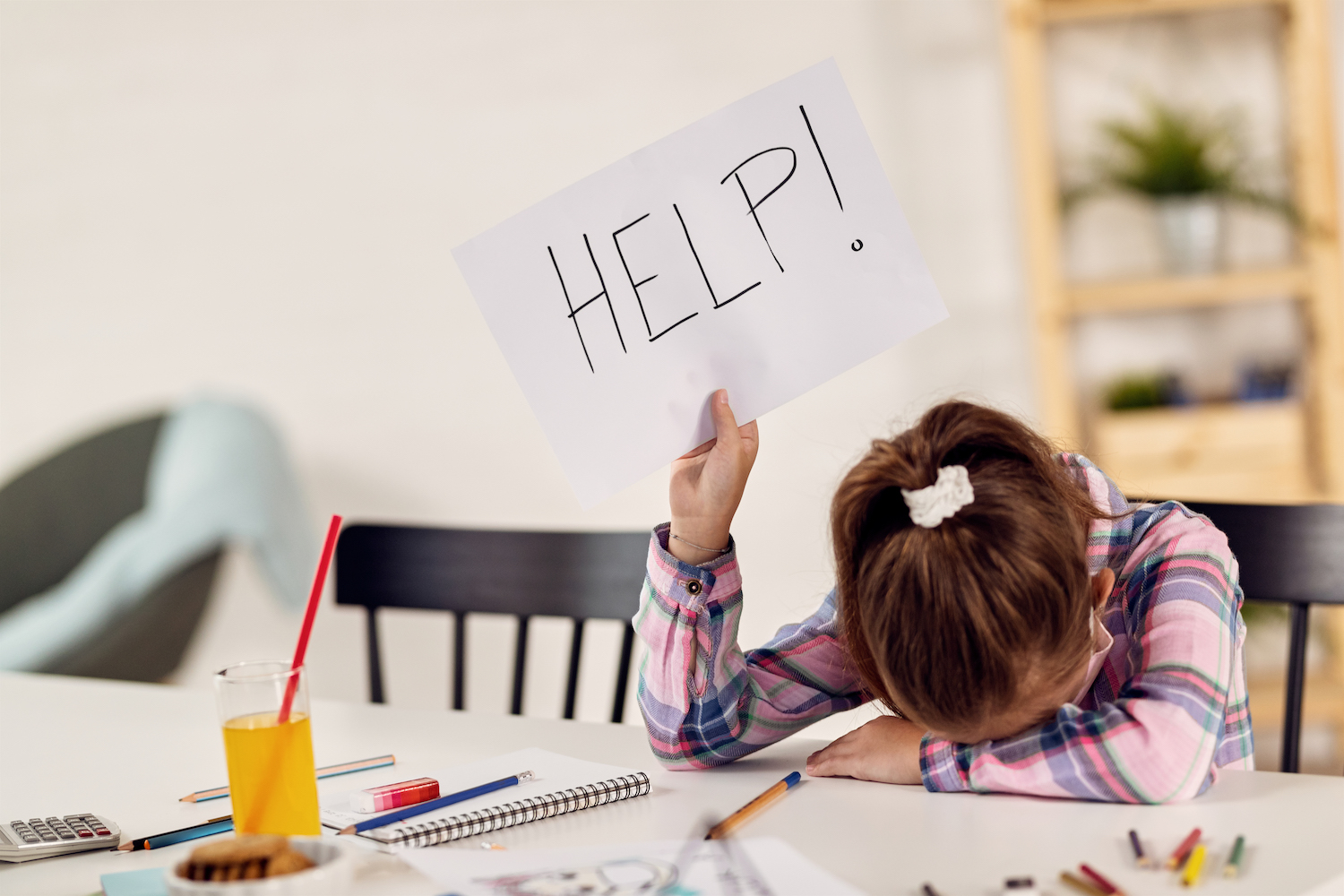
Have you ever felt stressed about work, family, friends, or just life in general? Nowadays, adults are not the only ones experiencing stress – more and more children are also getting stressed out. This worldwide trend of increased stress in children is particularly evident in Hong Kong. A recent university survey shows that nearly one-third of Hong Kong’s primary students experience intermediate stress levels, and now this trend is affecting even younger children in the preschool level. As we explore this growing issue, we’ll uncover the causes, impacts, and ways to support our youngest generation in navigating stress.
Child stress vs. Adult stress
Stress is the state of emotional strain or worry that occurs when we face a difficult situation. It is a natural response that helps us address challenges and threats in our lives. Adults have plenty of ways to deal with stress, like taking a break, exercising, or talking with friends. However, unlike adults, the stress-regulating system of young children is still under development, which means stress can impact them in different ways. Often, young children need adult guidance and support to effectively deal with stress.
| / | Child Stress | Adult Stress |
| Characteristics | Can become ‘toxic’, intense, frequent, beyond the child’s control due to underdeveloped stress-regulation systems | Manageable, sometimes motivating, and generally healthy to an extent. Can exceed healthy amounts and lead to other mental and physical issues. |
| Common Causes |
|
|
| Impact |
|
|
When a child has a supportive parent-child relationship, stress responses such as increased heart rate, higher blood pressure, and the release of stress hormones are usually mild and return to normal quickly. In contrast, without proper relationship support, excessive and prolonged stress can be harmful and develop into what researchers call ‘toxic stress’ in young children.
Common reasons for childhood stress
Hong Kong’s academic culture and hectic lifestyle put local children at an even higher risk of stress. Therefore, parents need to understand the causes and signs of child stress so they can provide timely support and guidance.
Academic Pressure
Hong Kong’s academic culture emphasizes grades and performance. Children as young as 2 years old often have homework and may even need to attend extra tutorial classes. As a result, “grade anxiety” is one of the most common reasons for child stress in Hong Kong.
Over-scheduling
Most Hong Kong children have a packed schedule during their leisure time. Instead of resting or playing, they attend extracurricular activities, like piano, ballet, and drawing class etc. The constant need to balance schoolwork and additional activities can create long-term stress.
Peer Problems
Children will form social connections with new friends as they grow up. However, they may be stressed out from the need to fit in, dealing with comparisons, and managing friendships.
Family Problems
A stable and loving home is essential to children’s mental well-being. Family problems such as seeing parents argue, sensing financial issues, or witnessing divorce or separation can create immense stress for a child, especially when they lack the tools to regulate their stress.
Signs and consequences of excessive stress
As parents, our job is to notice signs of stress so that we can intervene and provide a helping hand. If the following signs persist, it probably means your child is experiencing chronic stress.
Refusing to go to school
If you notice your child avoiding school for more than a week, especially after a long holiday, it may be a warning sign. For example, a child who once enjoyed meeting new friends may now complain of being sick, and cry and scream when it is time to go to school. This behavior may be strongly related to bullying, struggling to keep up with schoolwork, or feeling left out at school. If these signs are not properly addressed, they can easily develop into a strong adversity toward school and eventually lead to a decrease in academic performance.
Emotional signs
Children who are stressed will often display other emotional signs. For example, you may notice your child becoming more grumpy, impatient, and irritable. Chronic stress is detrimental to their long-term well-being and may lead to other mental health issues, such as anxiety disorder or depression.
Physical signs
Stress can also manifest physically. For example, stressed children may experience sleep problems, headaches, fatigue, or loss of appetite. These problems can lead to children being generally physically unhealthy, such as being inactive, overweight, or underweight.
Cognitive signs
When children experience long-term emotional and physical consequences of chronic stress, these can develop into more serious cognitive issues, such as loss of concentration and memory. Stressed children may also lose self-esteem and become emotionally distant in the long run.
Ways to prevent your child from being overly stressed
Supporting a child’s healthy growth and emotional development requires teamwork between families and schools. Here are some considerations if you feel your child might be overly stressed.
Balanced academics
While academic success is important, young children require ample opportunities for diverse activities for holistic growth. Activities like unstructured playtime, physical exercise, and meaningful social interactions all help reduce stress and promote well-rounded development.
Parental support
Parents are children’s most trusted adults. When they face difficulties and stress, parents can help by being a good listener and showing support. For younger children, parents should always remain observant because they may not yet be able to voice their needs clearly.
School support
Schools play an important role in guiding children to identify and manage emotions and stress. Some schools integrate SEL (Social and Emotional Learning) directly into their programs, such as Tutor Time’s Emomo and Second Step Program, so that children are exposed to these concepts starting from a young age.
Teaching emotional regulation strategies
Everyone copes with emotions differently; some listen to music, others may prefer to talk. It is important to help children build their unique emotional regulation strategies, e.g, practicing deep breathing when they are nervous or drawing to express their emotions. These small habits help them self-regulate effectively.
Allow children to make choices
It is natural for parents to want their children to explore different activities, but giving them a voice in what and how often they join can make a big difference. When children choose activities they are interested in, they are more likely to be motivated and happy, rather than stressed.
Encourage physical activity
Physical activity is a great way to keep children active and relaxed, and it doesn’t always have to be playing sports – playtime in the park also counts. Regular physical activity stimulates the release of dopamine, the ‘happy hormone’, helping children relieve stress and stay healthy.
Be a good role model
Children often imitate adult behaviors and look up to their parents as role models. To help them manage stress better, try to keep your own stress under control and model healthy self-regulation methods.
Conclusion
In Hong Kong’s high-pressure environment, it’s important to notice and understand your child’s signs of stress to help them cope effectively. Apart from careful observation and open communication, parents should plan thoughtfully and choose an early education pathway that suits their child’s individual needs, interests, and personality. Providing a secure home environment and having a happy school life can help reduce stress at the source and ultimately help to raise happier, more confident, and resilient children.
Resources:
https://www.who.int/news-room/questions-and-answers/item/stress
https://developingchild.harvard.edu/key-concept/toxic-stress/
How to recognize signs of distress in children | UNICEF Parenting
Family Health Service – Helping Children Cope with Stressful Social Events


 Mon-Sat